

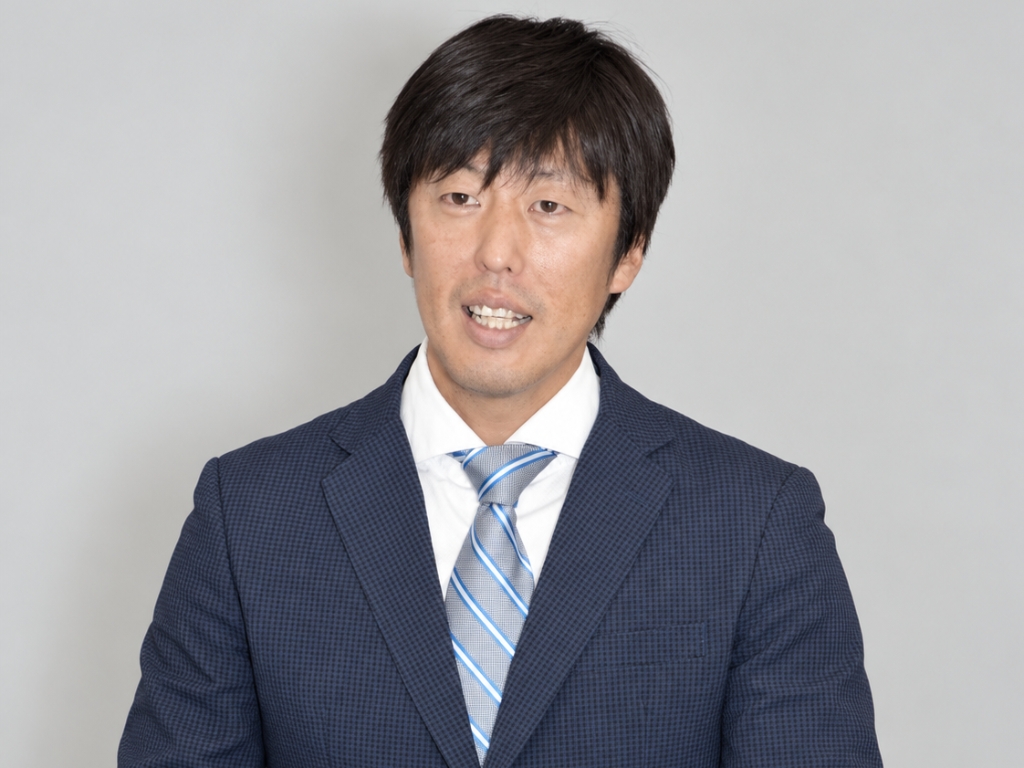
In this edition of Voces de la Cámara, we speak with Takeshi Inawaka, CEO & Founder of Wakatake Group, to learn more about his entrepreneurial journey, experience in international business, and perspective on multicultural leadership, Japanese and Spanish business culture, and the value of cross-cultural collaboration.
1. How has your professional career led you to your current position at Wakatake?
I founded Wakatake Co., Ltd. at the age of 26 and have been serving as its CEO for the past 20 years. In the early stages of the company, I was responsible for a wide range of functions including sales, planning, recruitment, and international operations. Currently, I focus particularly on overall corporate strategy, building international partnerships, and talent development. Over the years, working with people from diverse backgrounds has made me strongly appreciate the importance of flexibility and intercultural understanding.
2. What motivated you to work in an international environment?
A major motivation was the belief that exposure to different values and ways of working outside Japan can generate new ideas and business opportunities. In addition, collaborating with people from different cultures broadens my own perspective and helps the company become a more flexible and stronger organization.
3. What differences or similarities do you perceive between Japanese and Spanish business culture?
Japanese companies tend to place strong emphasis on planning, responsibility, and teamwork. In Spain, on the other hand, there is a stronger culture of open communication, flexibility, and valuing personal relationships. However, both share the common point of prioritizing trust-building. Although the approach differs, ultimately human relationships are the foundation of business in both cultures.
4. What skills or qualities do you consider key for working in multicultural environments?
The most important skill is the ability to communicate while respecting the other person’s values. It is also essential to clearly express your own ideas, remain flexible, and have curiosity toward differences. More than language ability, I believe the key is having a genuine willingness to understand others.
5. Looking back on your career, is there any moment or decision that particularly marked your path?
Deciding to start my own company at the age of 26 was the most significant turning point in my career. Although I had uncertainties at the time, choosing to take responsibility and challenge myself allowed me to gain a wide range of experiences. In addition, increasing my international work significantly influenced both my values and management style.
6. Have you experienced any cultural differences that have influenced the way you work?
Yes, I have. For example, in Japan there is a strong emphasis on detailed preparation and careful checking, while in other countries speed and flexibility are often prioritised. Experiencing these differences has led me to the understanding that there is no single “correct” way of doing things.
7. What is a typical day like in your role at Wakatake in Japan?
The most important thing is first to try to understand the other person’s background and values. On that basis, it is important to clearly share your own perspective and find common ground. Rather than seeing differences as a problem, viewing them as a new perspective leads to better outcomes.
8. What do you value most about working in an international environment?
The greatest benefit of working in a multicultural environment is exposure to diverse values and ways of thinking. By collaborating with people from different cultural backgrounds, you gain ideas and perspectives you would not reach on your own. In the process of trying to understand others, your own perspective and flexibility also grow significantly. Ultimately, this helps build more creative and stronger teams, which is what I value most.