

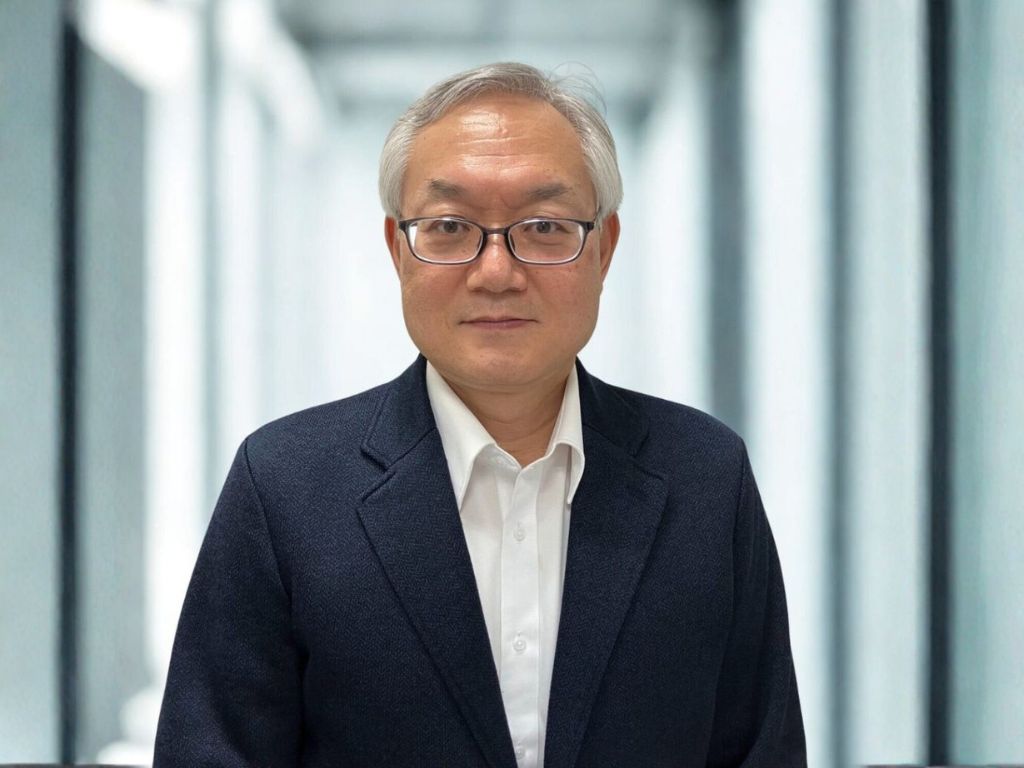
In this edition of Voces de la Cámara, we speak with Atsushi Fujimoto, Representative Director and President of Grifols Japan, to learn more about his career in the global pharmaceutical industry, his experience supporting international business expansion, and his perspective on cross-cultural leadership, Japanese and Spanish corporate culture, and the importance of understanding local markets when building successful global businesses.
1. How did your professional journey lead you to your current role at Grifols?
My own successful experiences in the global pharmaceutical business have primarily involved supporting Japanese companies in their overseas expansion. Going forward, I would like to apply that experience to helping multinational companies succeed in the Japanese market.
2. What motivated you to work in an international environment?
Leveraging the experience I have gained through international business, I would now like to contribute to the growth and success of multinational companies operating in Japan.
3. How did you come to work in a Spanish company operating in Japan?
My global pharmaceutical experience and career background, including my work experience at a U.S. subsidiary of Grifols, led to my appointment as President of Grifols Japan.
4. What differences or similarities do you see between Japanese and Spanish corporate cultures?
The similarities lie in the fact that, once alignment is reached at the senior management level, decision-making and execution tend to move forward with agility. In addition, building strong relationships helps facilitate smoother collaboration and progress. Decisions made without a sufficient understanding of local circumstances can result in indirect or inefficient outcomes.
In my view, the differences lie in organizational approaches. In some cases, business operations are managed with leaner structures, also that job responsibilities change more frequently due to job rotations than they do in Japan. These dynamics highlight the importance of adapting to local contexts and ensuring that decisions are informed by a deep understanding of the market.
5. What skills or qualities do you believe are essential when working across cultures?
I believe it is important to patiently and consistently communicate the Japanese context and perspectives until a relationship of trust is firmly established.
6. Looking back at your career so far, is there a moment or decision that significantly shaped your path?
I have consistently taken every necessary action to ensure success, fully recognizing the critical importance of the U.S. business for pharmaceutical companies. After achieving success in the North American business and confirming that it had entered a stable growth trajectory, I decided it was time to move on to the next step.
7. Have you experienced any cultural differences that influenced the way you work?
I find that Japanese companies often examine details beyond the core business, whereas in Europe and the U.S., the focus is more clearly placed on future cash flow and strategic direction rather than on past issues that no longer affect performance.
8. What does a typical day look like in your role at Grifols in Japan?
I track global market and industry developments through news and media, manage company compliance- and new business‑related matters, and organize key topics for reporting and documentation.
9. What do you enjoy most about working in an international environment?
Global business expansion often presents opportunities that are not visible from headquarters. I find it rewarding to capture those opportunities, obtain headquarters’ approval, and contribute to business growth.